Categories
Bedminster Frenchay Garden Kingswood Winterbourne

What’s On This June? Explore Your Neighbourhood (and Borrow Something Brilliant Along the Way!)

Some events clearly inspire projects that shout “let’s borrow a tool!”, while others take a bit more imagination… let’s have some fun exploring what’s on across the region and the Things you could borrow when the subsequent motivation strikes!  

Here’s what’s coming up and how your local Share Bristol Library of Things could help you make the most of it.

Bedminster: Bedminster Festival of Gardening

8–14 June 2026

Bedminster is getting its first ever Festival of Gardening this June which promises to be a week-long celebration of all things green and growing. Expect gardening activities, talks, installations and community events across BS3, all leading up to the much-loved Secret Gardens weekend where local residents open up hidden outdoor spaces for everyone to explore.

Whether you’re already a seasoned gardener or just wondering if one tomato plant counts as a vegetable patch, this feels like the perfect excuse to get outside and get inspired.

Borrowing idea: become the neighbour whose garden suddenly gets interesting

If the festival leaves you determined to finally tackle that overgrown corner, create a pollinator patch or build the raised bed you’ve been talking about since 2023, borrow before you buy. Think gardening tools for digging, trimming and tidying, or even power tools if your plans escalate from “plant some herbs” to “construct an entire pergola”. Festival inspiration, but without filling the shed.

Check out a whole host of gardening Things available here.

Kingswood: Community Picnic in Kingswood Park

18 June 2026 | 3 – 6pm

National Picnic Week feels like the perfect excuse to gather outside and Kingswood Park is doing exactly that with a relaxed community picnic for local residents.

Bring along your picnic, a blanket and your favourite people for an afternoon in the park, with garden games, a scavenger hunt and the launch of Kingswood Town Council’s Community Nature Reserve initiative. It’s all about slowing down, getting outdoors and enjoying a bit of community connection at the heart of the neighbourhood.

Whether you arrive meticulously prepared or carrying a last-minute supermarket meal deal, the important thing is showing up.

Borrowing idea: elevate your picnic game

You don’t need to own a cupboard full of “just in case” entertaining gear to enjoy a great day out. Share Bristol is full of things that make outdoor get-togethers easier, from games that bring out everyone’s competitive side to practical kit like camping chairs that turns a quick picnic into an event. Borrow what you need, enjoy the afternoon and leave your cupboards free for the things you actually use every week.

Winterbourne: Medieval Day at Winterbourne Medieval Barn

28 June 2026 | 11am–4pm

Winterbourne is stepping several centuries backwards this month with Medieval Day at the historic barn. Expect combat displays, knight school, archery, wandering performers, medieval music and a full living history village recreating midsummer festivities.

No chainmail required (unless you already own some).

Borrowing idea: modern-day armour

We’re not saying you’ll need a helmet and protective gear to survive medieval combat demonstrations… but if the day inspires you to take on your own heroic quests at home, hedge battles, DIY tournaments or legendary decluttering campaigns, borrowing safety gear and equipment is a very 2026 version of preparing for battle. Bonus points if you dramatically announce “for the realm” before starting any project.

Browse more Things that can make you a home hero here.

Frenchay: UWE Showcase 2026

5 – 7 June 2026 | 10am–6pm 

Head to Frenchay Campus and explore their Showcase 2026 Degree Show, a celebration of graduating students’ work across architecture, product design and creative disciplines. Expect ambitious ideas, beautifully presented spaces and plenty of inspiration for anyone who enjoys design, interiors or spotting the next big thing before everyone else does.

This is the kind of event that makes you walk back into your own home afterwards and suddenly notice every wall colour, shelf and slightly unfinished project.

Borrowing idea: interior designer energy (without the renovation budget)

If the showcase leaves you itching to refresh a room, rearrange a space or finally tackle that decorating project, borrow before you buy. Brushes, ladders and DIY essentials can help turn a spark of inspiration into a weekend project, whether you’re going for award-winning interior transformation or simply “this room now feels intentional”. Start small, experiment and save cupboard space for your next big idea.

Find DIY Things here.

So wherever you are this June – gardening, picnicking, time-travelling to the Middle Ages or discovering your inner designer – remember: you don’t always need to buy the thing to enjoy the experience.

Borrow it. Try it. Return it. Repeat.
Categories
Circular Economy Frenchay

From Waste to Worth: How Repair, Sharing and Reuse Are Strengthening Communities

In a world facing rising living costs, climate pressures and increasingly defined by overconsumption and waste, a quiet revolution is taking place. One that challenges the very idea of “throwaway culture.”

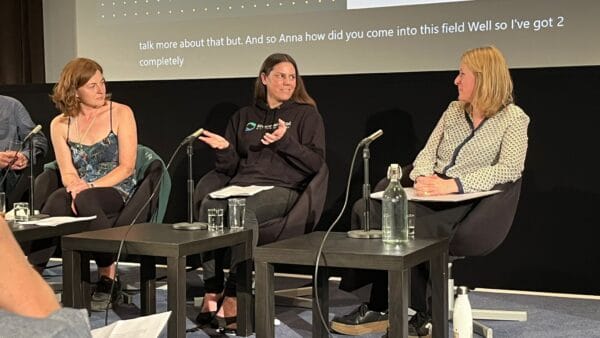
As Laura Fogg-Rogers, Associate Professor of Engineering in Society at UWE Bristol, opened the event, she captured the irony perfectly:

“So waste is not the most glamorous of subjects but it’s brought out one of our largest crowds. So clearly everyone is very interested in it!”

– Laura Fogg-Rogers, Associate Professor of Engineering in Society at UWE Bristol

That interest reflects a growing awareness: waste is no longer just a background issue, it’s central to how we live, consume and build communities.

Rethinking Waste: A Cultural Shift

Our current system has long relied on a flawed assumption that resources are infinite and disposal is effortless.

As Laura Fogg-Rogers explained: “Our current economy conceives that there’s endless magic stuff that can just be dug up somewhere. We’ll use it and then it endlessly, magically disappears somewhere as well. And we know that’s not the case… So, we really have to be thinking what are we doing with digging all this stuff and where is it going? We need another way to meet both human needs but also environmental physical reality as well. So, one such vision is the circular economy.”

That “other way” is increasingly understood through the work of the Ellen MacArthur Foundation, which defines it as: “A system where materials never become waste and nature is regenerated. In a circular economy, products and materials are kept in circulation through processes like maintenance, reuse, repair, refurbishment, remanufacture, recycling and composting.”

As Laura Fogg-Rogers added, grounding the discussion locally: “That’s what we are going to talk about today, about what does that look like in reality here in Bristol and surrounding areas as well.”

From Waste to Resource

One of the most powerful shifts discussed in the event is conceptual: moving from “waste” to “resource.”

“We were putting 95% of our waste to landfill back in the 80s, would you believe?

– Andy Street, Chair of FareShare South West and Feeding Bristol

Andy Street, Chair of FareShare South West and Feeding Bristol, highlighted how far we’ve come – from a time when most waste went to landfill to a growing recognition of its potential value – emphasising that, “There’s very little that goes into our bins that can’t be used in some way.”

This reframing is critical. When we stop seeing discarded items as useless, we unlock new systems of value – economic, environmental and social.

The Circular Economy in Action

At the heart of the discussion is the idea of the circular economy: a model that replaces the traditional “take–make–waste” system with one where resources are kept in use for as long as possible.  

Rather than throwing things away, the circular approach encourages:

  • Repairing broken items
  • Sharing underused resources
  • Reusing materials in new ways
  • Redistributing surplus (especially food)

This isn’t just about recycling, it’s about redesigning how we live, consume and connect.

Communities as Catalysts for Change

One of the strongest messages from the talk is that real change happens locally. 

Community-led initiatives, such as repair cafés, tool libraries and food redistribution networks, are proving that sustainability doesn’t have to be top-down.

These grassroots efforts:

  • Build practical skills (fixing, mending, repurposing)
  • Strengthen social ties
  • Create inclusive spaces for collaboration
  • Help people cope with financial pressures  

In other words, sustainability becomes a shared experience, not an individual burden.

Sharing, Connection and Community

“We’re talking about that personal connection. It’s that local connection. It’s getting pleasure from giving away the things that we don’t need ourselves.” 

– Anna Perry, Chair at Share Bristol

For Anna Perry, Chair at Share Bristol, the solution is as much cultural and emotional as it is practical, reflecting on shifting habits and attitudes, she explained that focus should be centred on “help[ing] people find joy and community connection in how they dispose of things they don’t want anymore.”

She continued to highlight that much of what we consider “ours” is simply underused potential, explaining, “there’s so much in people’s houses that we lock away… [that] would have so much more of a useful life and a purpose if it was used by the community.”

Her point underscores something deeper: circularity isn’t just about systems, it’s about behaviour, habits and meaning.

The Rise of the Access Economy

A key part of this shift is moving away from ownership altogether.

As Anna Perry explained: “The access economy is thinking about how people get access to things even without owning them and so we are used to book libraries, we’re used to car hire, we’re used to suit hire for weddings and things like that but increasingly that is coming into other aspects of our lives with car sharing clubs and scooter and bike hire – so the community has access to things they need, whether or not they can afford to buy them outright or pay a commercial hire fee, or even if they’ve got space to store them in their houses or not – and so thinking about the sharing economy [or] access economy… is another step forward.”

This model not only reduces waste, it increases equity, making goods and services accessible to more people.

Shaping Habits for the Future

A key strategic insight from the discussion is the importance of early habit formation.

As Anna Perry drew attention to, initiatives like Share Bristol’s Library of Things on the UWE Frenchay campus aim to embed borrowing and community-minded behaviours in young people, recognising that habits formed between 18 and 22 can last a lifetime. Universities, therefore, act as testing grounds for more sustainable ways of living. Supporting this, Laura Fogg-Rogers noted that campus initiatives such as sustainability hubs are already creating “our own little ecosystem” where students can share and reuse resources.

Final Thoughts: Waste as Opportunity

The message of the event is clear: waste is not inevitable. From repair and reuse to sharing and access, communities are already building alternatives that are more sustainable, more connected and more human.

What emerges is not just a new system, but a new mindset: one that sees value where we once saw disposal and opportunity where we once saw waste. We need to encourage a shift from being passive consumers to active participants in a shared economy.

The “Waste to Worth” presentation drives home an important idea: tackling global challenges doesn’t always require complex solutions. Sometimes, it starts with something as simple as fixing a broken toaster, sharing a tool or redistributing leftover food.

Individually, these actions may seem small. Together, they form the foundation of a more sustainable, connected and resilient society.

And as this growing movement shows, the transition doesn’t start with systems alone: it starts with people, places and the choices we make every day.

Watch the Discussion…

Categories
Garden General

Stay Curious in the Garden Through Every Season 

Whether you have a sprawling garden, a small patio or a few pots on a balcony, there’s always something new to discover. From the first shoots of spring to the insects quietly at work beneath the soil, curiosity helps us connect more deeply with the spaces we nurture.

Starting in the warmer months can be a wonderful way to begin exploring gardening and spending more time outdoors. As the seasons change, so too can the way we garden – from sowing and planting in spring and summer to observing wildlife, collecting seeds and preparing spaces for colder months. Gardening is always evolving, offering new opportunities to learn, notice and connect with nature throughout the year.

Why curiosity matters in the garden 

Gardening doesn’t have to be about having a perfect plan or knowing exactly what you’re doing. In fact, some of the most rewarding moments come from experimenting, trying something new and seeing where it leads.

What happens if you plant something in a different spot?

What grows well together?

What surprises might appear if you simply pause and observe?

Curiosity encourages us to ask questions, get our hands dirty and enjoy the process, not just the end result.

Try before you buy: gardening with flexibility 

One of the biggest barriers to starting (or expanding) a garden project is often the cost of tools, especially if you’re not sure what you’ll need long-term.

That’s where borrowing comes in.

By borrowing gardening tools, you can:

  • Experiment with new ideas without financial pressure
  • Try out different tools before deciding what suits you
  • Avoid cluttering your home with items you’ll only use occasionally
  • Make more sustainable choices by sharing resources

One of our Kingswood members highlighted the savings they’d made by borrowing garden equipment from Share Bristol:

“Such a great initiative! I signed up for an annual membership which costs £50 and have already hired out a lawnmower and strimmer which would easily have cost four times the price of that membership, plus they’re not permanently taking up space in my garage! Volunteers were very friendly and helpful, couldn’t recommend more!”

Borrowing is a simple way to keep your gardening journey flexible, affordable and low-waste.

Tools to spark your curiosity 

If you’re not sure where to start, here are a few tools that are perfect for curious gardeners:

Cultivator A true all-rounder. Great for breaking up compacted soil, mixing in nutrients and removing weeds. It’s ideal for preparing beds and giving your plants the best chance to thrive.

Kneel board Gardening often means getting up close and personal with the soil. A kneel board provides comfort and support, making it easier to spend time observing, planting and tending without strain.

Child’s wheelbarrow Gardening is even better when it’s shared. A child-sized wheelbarrow is a great way to involve younger helpers – encouraging curiosity, responsibility and a love for the outdoors from an early age.

(And for bigger jobs, adult-sized wheelbarrows are always available too!)

Of course, we’ve also got all the standard tools you’d expect: hand tools like trowels, spades, forks and rakes, as well as power tools like leaf blowers, lawnmowers and hedge trimmers.

Making gardening a shared experience 

At its heart, gardening is about connection with nature, with our communities and with each other.

Borrowing tools is part of that bigger picture. It’s about sharing resources, reducing waste and helping more people feel confident enough to give things a go.

You don’t need loads of knowledge to enjoy gardening. You just need a bit of encouragement to get started, and we’d like to think borrowing tools gives our members that motivation.

Stay curious 

This National Gardening Week and beyond, take a moment to slow down. Look a little closer. Try something new.

Borrow the tools you need, follow your curiosity… and see where it takes you!

Pop in this week, or whenever you’re ready, to borrow gardening tools and start your next project.

Categories
General

Borrowing vs Hiring Tools: Here’s How the Costs Compare

Picture the scene.

It’s a Saturday morning. You’ve got a coffee in hand and, with a hint of spring in the air, you’ve finally mustered the motivation to sort the thing you’ve been putting off for months – sanding those tired doors, freshening up the carpets, or tackling the jungle that used to be your garden.

But then comes the sudden realisation that you need a very specific bit of kit. A sander. A carpet cleaner. Maybe a hedge trimmer.

So you do what most of us do and Google “hire tools in Bristol.”

Up pop the usual suspects: tool hire companies, DIY shops, maybe even a supermarket carpet cleaner. A few clicks later you’re comparing day rates, deposits and opening hours.

There are some perfectly sensible options. But once you start adding up the costs, you might begin to wonder… is there a cheaper way?

Spoiler: there is.

The Typical Cost of Hiring Tools in Bristol

Let’s start with something common: sanding doors or furniture.

Even if you hire from the big brand that promises they ‘Can’t be Beaten on Price’, a small sanding machine can cost around over £28 for 24 hours or £33 for the weekend. 

That’s not outrageous. But then you realise you also need a drill to rehang the door and could do with a ladder to make it all a bit easier too… they’re going to cost you another £35 each. Before you know it, you can easily hit £100.

And that’s just one project.

What It Costs to Hire a Carpet Cleaner

Carpet cleaning is another classic “once or twice a year” job.

Across Bristol you can hire Rug Doctor machines from supermarkets and shops like:

  • Tesco
  • Asda Bedminster
  • The Range at Avonmeads
  • Timpson stores

Typical prices are around:

  • £26 – £28 for 24 hours
  • £33 for 48 hours  

Most hires are limited to 24 or 48 hours, with late fees if you run over – which can make it feel like a race against the clock.

So a quick refresh of the carpets could cost you unnecessary stress as well as the hire fee. Repeat that later in the year and it suddenly feels a lot less appealing.

Compare that to Share Bristol’s one-week borrowing period and the whole job feels far more doable… you can actually get round the house without rushing.

The List of Tools Quickly Grows

If you’re a regular DIY-er, the list of tools you might need to hire can grow pretty quickly, whether it’s because space is tight, you’re trying to live a bit more sustainably, or the dent in your wallet from the upfront cost of buying just doesn’t feel worth it.

People commonly hire things like:

  • Pressure washers for patios and bikes
  • Electric drills and hammer drills for the inevitable wall-mounting project
  • Tile cutters for kitchen or bathroom upgrades
  • Ladders for gutter clearing or decorating
  • Hedge trimmers for the garden that suddenly exploded

Most of these cost £15 – £40 per day from hire shops. Buying them doesn’t always make sense either. A pressure washer or power tool could easily set you back £100, only to sit in a cupboard for most of the year.

So even a few small projects a year can easily add up to uncomfortable costs for tools.

The Cheaper Alternative

Now here’s the bit most people don’t realise.

Instead of paying every time you need a tool, Share Bristol works a bit like a library – but for cleaning kit, DIY gear, garden tools and more.

You simply pay an annual membership:

  • £50 standard membership
  • £20 concession membership (student or low income)
  • £80 “pay it forward” membership (helping support others in the community)

And then you can borrow what you need throughout the year.

Sanders. Carpet cleaners. Drills. Gardening tools. Decorating kit. The lot.

How the Costs Compare

Let’s say in one year you:

  • Hire an orbital sander for a weekend → £30 – £40
  • Hire a carpet cleaner for 24 hours  → £26 – £28
  • Hire a pressure washer for the patio → £25
  • Hire a hedge trimmer for the garden → £50 (ouch!)

That’s easily well over £100 in hire costs.

Meanwhile:

A Share Bristol membership costs just £50 for the whole year.

Borrow two or three items and it’s already paid for itself.

Everything after that is basically free borrowing. And you can have loads of fun hiring other bits like tents and backpacks for your summer getaway to plates and cups to make your next gathering greener. 

What Our Members Say

Of course, the real proof is in the borrowing. Share Bristol members regularly discover that accessing the tools they need is not only easy, but far more affordable than traditional hire options.

Hazel, who used our Kingswood branch, shared her experience:

“Registered and have so far borrowed a sander and drill! So much cheaper than other hire places.”

William had a similar experience after tackling a tiling job:

“Fantastically simple transaction. We borrowed a tile cutter, which probably would have cost £100s if rented.”

Why Borrowing Often Works Better

Easier budgeting

Borrowing also makes budgeting simpler. Once you’ve paid your annual membership, you know you’re covered. If you don’t quite finish the job this weekend, there’s no stress about extra hire fees – you can simply borrow the tools again when you next have the time, at no additional cost.

A more relaxed timeframe to get the job done properly

When you borrow from us, you can usually keep items for a full week (or even two if nobody else is waiting to borrow). That means you can tackle projects at your own pace rather than cramming everything into a single day because “time is money.” With daily hire fees, it’s easy to feel pressured to rush or cut corners – borrowing gives you the breathing space to do the job properly.

Friendly advice with no sales pitch

Our team is here to help, not to sell. Many of the people you’ll meet at Share Bristol are volunteers who genuinely enjoy helping others fix, build and improve things. So if you need advice on a tool or a project, you’ll get honest guidance – without anyone trying to upsell you extra bits you don’t need.

Sharing Stuff: A Very Bristol Idea

There’s also something quite Bristol about the whole idea. We’ve always been good at community thinking and sustainability initiatives – from supporting local, independent shops to repair cafes and clothes swaps.

Instead of everyone owning tools they use once a year, a neighbourhood shares them. So while we may not be the first city to offer a ‘Library of Things’, it’s exactly the kind of creative, community-led thinking Bristol does best.

Less stuff sitting in cupboards.

Less unnecessary buying and waste.

More community.

It’s basically the modern version of borrowing a ladder from your neighbour, just a bit more organised.

Why Borrowing Makes Sense

Next time you find yourself searching for tool hire… it might be worth asking a different question first: Could I just borrow it instead?

For many Bristol households, one £50 membership with Share Bristol costs less than hiring just a couple of tools.

And you get a whole year of DIY possibilities thrown in.

Not bad for the price of a takeaway.

Browse the handy Things you can borrow instead of hiring here.

Categories
Frenchay General

Closing the Gender Skills Gap: How Sharing Is Helping Women in Bristol Build DIY Confidence

Give women access to tools and they’ll close the gender skills gap!

At Share Bristol, we see it every day. When people have access to the right tools, they gain more than equipment – they gain independence, practical skills, and the confidence to make their homes their own.

Women Are Reshaping DIY Culture

Recent UK consumer research* shows a significant generational change in DIY confidence:

  • 47% of women say they no longer rely on men for home improvements
  • 59% say they take on more DIY tasks than previous generations
  • Decorating (79%) and upcycling (55%) are the most common independent projects
  • 46% of Gen Z women report confidence in painting and decorating – compared to 28% of young men
  • 86% of young people were encouraged to develop practical skills growing up

The message is clear: women are actively closing the DIY confidence gap.

And crucially, many started building those practical skills early.

A Practical, Sustainable Way to Build DIY Confidence from Day One

That early confidence-building is something we actively support through our Share Bristol Frenchay branch, based on the University of the West of England (UWE) campus. By making tools accessible to students, we’re helping young people in Bristol give DIY a go from the very start of independent living – whether that’s putting up shelves in student accommodation, repairing bikes, upcycling furniture, or tackling their first home projects.

Having a Library of Things on campus removes the cost barrier and gives students the chance to build practical confidence that lasts well beyond university.

How Can You Try DIY Without Setting Foot in a DIY Store?

If you’re beyond your student days and think you need to start by visiting a DIY store or finding a local tool shop in Bristol, you’re not alone. Many people head to a certain orange superstore and feel they have to start investing in tools before knowing whether they’ll use them again.

But what if giving DIY a go didn’t mean buying everything outright?

A Smarter Alternative to the Traditional DIY Store

That’s where borrowing changes everything.

At Share Bristol, we provide access to professional-quality tools so you can:

  • Try DIY at your own pace
  • Take on home improvement tasks without financial pressure
  • Build practical skills safely and confidently
  • Complete one-off projects without buying equipment you may only use once

Sometimes confidence starts with something simple: access.

DIY, Community and Sustainability in Bristol

Borrowing tools isn’t just practical – it’s sustainable.

Rather than buying rarely used equipment from a DIY store, sharing resources:

  • Reduces waste
  • Saves money
  • Builds community connections
  • Encourages more people to give DIY a go confidently

For many women especially, having accessible tools has made the difference between thinking, “I can’t do that,” and realising, “I can try.”

For many members, affordable access turns intention into action. Joanne from Kingswood shares:

“Such a valuable resource!! Am getting loads of jobs done because I can borrow the tools I need.”

Give to Gain: Building Skills Through Sharing

This year’s International Women’s Day theme, Give to Gain, reflects what we see in action at Share Bristol.

When we provide access to tools, people gain:

  • Confidence
  • Independence
  • Practical skills
  • A sense of ownership over their homes

And when the home improvements are finished, you can also borrow what you need to host a celebration or head off on your next adventure!

An Affordable Alternative to Hiring DIY Tools

If you’ve been searching for the most affordable way to buy DIY equipment, consider a different approach.

Many people already realise you can hire tools in Bristol – but traditional hire can still be expensive, especially for power tools. In some cases, the cost of hiring a single item for a short period can add up quickly.

With Share Bristol, borrowing is often far more affordable. An annual membership, which gives you access to borrow anything in our Library of Things throughout the year, is often cheaper than the cost of hiring just one power tool elsewhere.

Borrow the tools you need at a fraction of the cost. Use them to practise new projects and build your confidence, without buying.

An added bonus? Our friendly teams at our branches in Bedminster, Kingswood, Frenchay and Winterbourne love hearing about the DIY projects you’re planning. Tell us what you’re working on, and we’ll help you select the right tools for the job.

Research Credit

*Statistics referenced in this article are based on UK consumer research conducted by Wickes (surveying over 2,000 adults on DIY behaviours) and additional generational confidence analysis from a Halfords UK study.

Frequently Asked Questions

Is Share Bristol a DIY shop?

Share Bristol isn’t a traditional DIY shop. Instead of selling tools, we operate as a Library of Things where members can access high-quality tools at a fraction of the cost of buying them.

If you’re searching for a DIY shop in Bristol but only need tools for a short-term project, borrowing could be a more affordable and sustainable option.

Where can I borrow tools in Bristol?


When you become a member, you can borrow tools from any of the Share Bristol Library of Things branches in Bedminster, Kingswood, Frenchay and Winterbourne.

We stock a wide range of equipment for home improvement, decorating, gardening and repairs – making it easy to give DIY a go without purchasing tools outright.

Is borrowing tools cheaper than buying from a DIY store?


For most one-off or occasional projects, borrowing tools is significantly cheaper than buying from a DIY store in Bristol.

Instead of investing in equipment you may only use once, you can access professional-quality tools when you need them – saving money and reducing clutter.

What tools can I borrow in Bristol?


We offer a broad range of tools including:

–Drills and screwdrivers
–Sanders and decorating equipment
–Garden tools
–Specialist DIY equipment

Equipment for home improvement projects
If you would normally visit a DIY store in Bristol for a specific item, there’s a good chance you can borrow it instead.

Can beginners try DIY by borrowing tools?


Absolutely. Many of our members join specifically to give DIY a go. Borrowing tools allows you to practise new projects without the pressure of buying expensive equipment first.

Our friendly team can also help you choose the right tools for your project.

Why borrow rather than hire tools in Bristol?


While many people know they can hire tools in Bristol, traditional hire can sometimes be costly, particularly for power tools or longer projects. Daily or weekend hire fees can quickly add up.

Borrowing from Share Bristol works differently. As a charity with a vision that everyone can share affordably, we exist to make access to tools as low-cost and inclusive as possible. With an annual membership, you can borrow from a wide range of equipment throughout the year,and it’s often cheaper than the cost of hiring a single power tool elsewhere.

Beyond cost, borrowing also offers flexibility and community benefits. You’re not just accessing equipment – you’re supporting a local charity, reducing waste, saving money, and helping build a sharing culture that makes practical projects more accessible for everyone.